
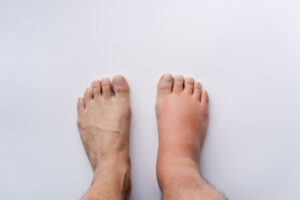
 Complex regional pain syndrome, commonly called CRPS, can cause changes that extend beyond persistent pain. The affected arm, hand, leg, or foot may become swollen, appear red or pale, and feel noticeably warmer or cooler than the opposite limb.
At Freedom Spine & Pain Center, Rajesh K. Sharma, MD, is board-certified in anesthesiology and pain management and fellowship-trained in interventional pain management. Vrunda H. Pandya, MD, is a board-certified anesthesiologist with fellowship training in regional anesthesia. Their experience helps patients throughout San Antonio and the Texas Hill Country evaluate unusual pain patterns and explore care suited to their symptoms.
Recognizing why these physical changes occur can make CRPS symptoms easier to identify and discuss with a physician.
How CRPS Affects the Nervous System
CRPS may develop after an injury, surgery, fracture, or other physical trauma, although the severity of the condition is often greater than expected from the original event. It is associated with abnormal communication between the nervous and immune systems.
Nerves that regulate pain, blood flow, sweating, and temperature may become overly responsive. This can cause intense or burning pain along with visible changes in the affected area.
Why Skin Color and Temperature May Change
The autonomic nervous system helps control the widening and narrowing of blood vessels. When CRPS disrupts this process, blood flow may become inconsistent.
The skin may appear:
- Red, purple, pale, or blotchy
- Warmer than the surrounding area
- Unusually cool to the touch
- Shiny, thin, or sensitive
Color and temperature changes can fluctuate throughout the day or as the condition progresses. These symptoms may also become more noticeable after physical activity or exposure to changing temperatures.
What Causes Swelling?
Inflammatory activity and altered circulation can allow fluid to collect in the affected limb. Swelling may worsen stiffness, limit movement, and make clothing or shoes uncomfortable.
Other possible CRPS symptoms include increased sweating, sensitivity to light touch, muscle weakness, tremors, and changes in hair or nail growth. Because these concerns may resemble other nerve, vascular, or orthopedic conditions, a detailed evaluation is important.
How CRPS Can Affect Movement
Pain, swelling, and nerve sensitivity can make it difficult to move the affected limb normally. Avoiding movement may then contribute to stiffness, weakness, and reduced range of motion. In more advanced cases, CRPS may also cause muscle spasms, tremors, or changes in coordination, making early evaluation and guided rehabilitation especially important.
Seek Care for CRPS Symptoms in San Antonio, TX
Early attention may help limit worsening pain, stiffness, and loss of function. Treatment may involve medication, targeted procedures, rehabilitation, and other strategies selected according to the patient’s condition.
To discuss persistent pain, swelling, or skin changes, schedule a consultation with Freedom Spine & Pain Center by calling 210-920-8945.